_______                   _ _                             _   _     
 |__   __|                 | | |                           | | | |    
    | |_ __ _   _ _ __   __| | | ___ _ __ ___   _ __   __ _| |_| |__  
    | | '__| | | | '_ \ / _` | |/ _ \ '__/ __| | '_ \ / _` | __| '_ \ 
    | | |  | |_| | | | | (_| | |  __/ |  \__ \ | |_) | (_| | |_| | | |
    |_|_|   \__,_|_| |_|\__,_|_|\___|_|  |___/ | .__/ \__,_|\__|_| |_|
                                               | |                    
                                               |_|

Home of BB ROOK's "PERSONA AUTOMATA"

PERSONA AUTOMATA

What if humanity went through something that made the Great Depression look like a bad month at a clown factory—and then decided to rebuild civilization by making robots and drinking way too much coffee?

Persona Automata is a near-future story about what happens when people stop buying in the status quo, face the consequences and start fresh with the help of robots and strong joe.

It’s not a “what happens if we don’t…” story.

It’s a “what do we do after?” story.

It’s hopeful, scrappy, and a little caffeinated.

The Great Collapse and the Cyber-Renaissance

(Or Just What the Heck Happened?)

Placeholder As we enter the world of Persona Automata, some things need to be explained so you won't feel out of sorts. Don't worry, you will catch on rather quickly.

The world as you know it, in that part of the multiverse, has gone through a a swift kick in the shins. Not exactly a reset, not a reboot, but like a social decluttering (Not unlike someone's old attic).

It's goes something like this; The Great Collapse, and the Cyber-renaissance.

THE GREAT COLLAPSE:

It happened in three parts. the opt-out, the die-off and the times of scarcity.

THE "OPT-OUT" MOVEMENT
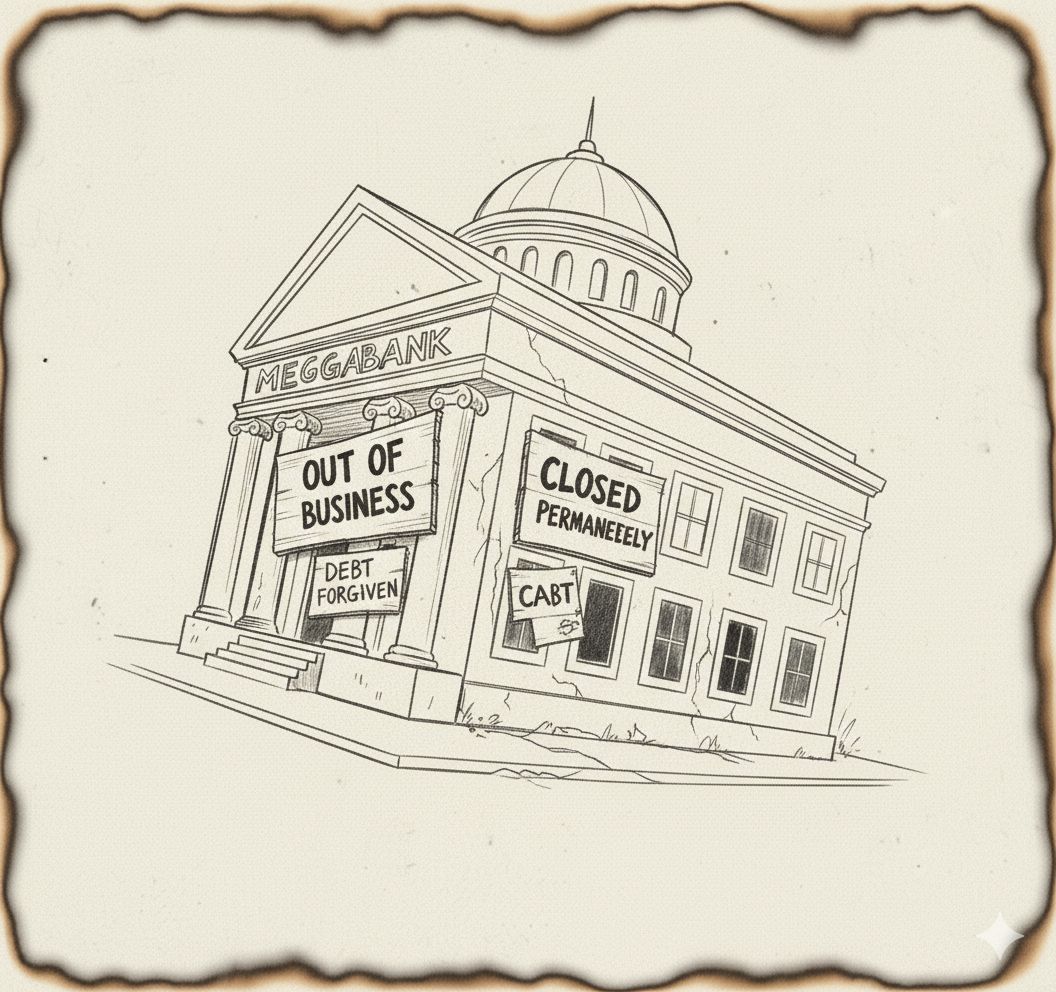
Banks fell due to the people's displeasure

They called it the big opt-out. Never in recorded history has there been where social apathy had overtaken the Human race in such a collosal way.

The cause? People's personal monetary debt.

Financial institutions, for hundreds of years, loved the collective debt. Ate it like candy and savoured it like fine wine. Governments came and went, but the debts lived on. Protests came and protests went, all hoping to turn the tide or "make the rich pay". And yet debts still were there, and people wanted to consume, buy stuff and watch their favorite influencer on social media.

"The American dream: you have to be asleep to believe it." — Bill Hicks

The problem is, it's not the fact that people woke up and had some kind of spiritual awakening. Far from it. People just gave up. Just like an emotionally abusive relationship, there comes a time the victim stops caring and feeding into it, not unlike Rome and it's Secessio Plebis, people chose to walk away.

And that is exactly what happened.

What good is having the latest gizmo if you can't even afford a box of Mac and Cheese? What's the point? People stopped caring about getting the next big thing, the next fashion, the next device. That's just it. It's where things started going south. Not for the people, but for the powers that be.

People got into serious debt via their credit card, home equities, and various loans of all kinds. Couldn't pay it? It was sent to collection agencies that kept threatening about giving bad credit, making it hard to gain employment or to get a place to live (Which you need to gain to pay the debt that needs to be repaid in the first place!!).

Of course, the joke was on them.

You see, for years, these ultra-rich people, all they did is take, take, take. And as Seasick Steve who once sung, "you can't take what I ain't got."

So just like that, people stop paying their debts. Some just ignored the collection agencies or laughed at them or even made a game of how long they could keep them on the line before they hung up. Others started to create "Bankruptcy clubs" where they decided to bankrupt themselves in mass.

The result? Financial empires crumbled. The war machines, the military-industrial complex, they suffered the most.

What's the point? We can't afford guns. Can't afford war. War is a rich man's game if you think about it. You want to get some oil? Start a war in the Middle East. You want to get some forestry? Declare war. Well, guess what? If you can't pay for the guns, if you can't pay for soldiers and mercenaries, nobody cares. See, most wars are not about defense. It's about conquests.

And just like a silly board game, what happens if no one wants to play anymore? The boardgame gathers dust.

The Great DIE-OFF
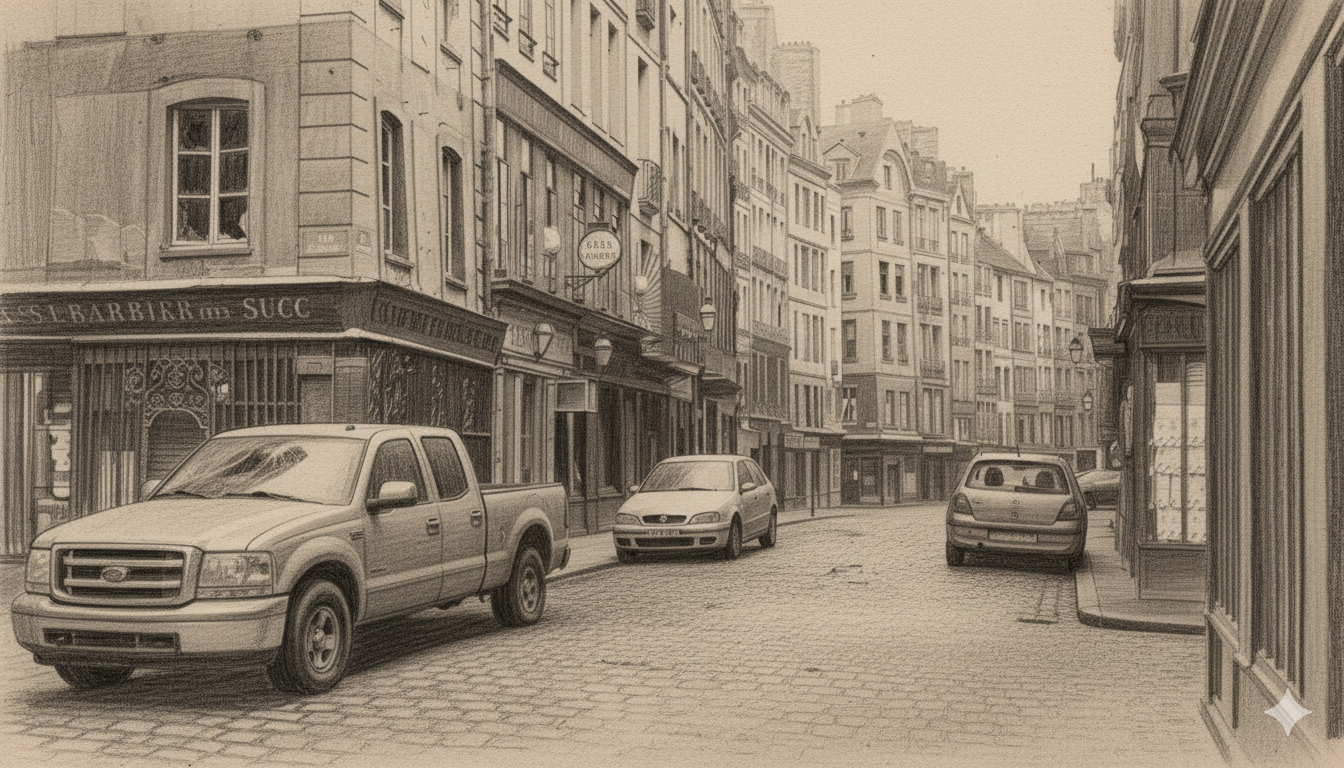
A city is depopulated as no one stays where nothing is gained

Now look—just because the old world fell apart doesn’t mean we suddenly woke up in a shiny utopia. Far from it. When people don’t have money, when they stop caring, and when the systems that keep us alive crumble… well, reality crashes down hard.

Hospitals lost staff, lost supplies, lost power. And when that happens, people who are sick or injured don’t get better.

They die.

A lot of people died. Men, women, children—death is the ultimate equal-opportunity institution. It didn’t care what you believed, what you owned, or how many followers you had on social media.

And here’s the thing:

When poverty gets bad enough, people stop having families. When the young don’t have kids and the old pass on, you get something called a population crunch. Fewer people means fewer hands, fewer minds, fewer resources. The world shrank… fast.

You might be thinking, “But what about robots? Don’t they do everything now?”

Oh, they do. Today. In your time. But back then?

Robots weren’t the cavalry and they came much, much later.

The Times of Scarcity
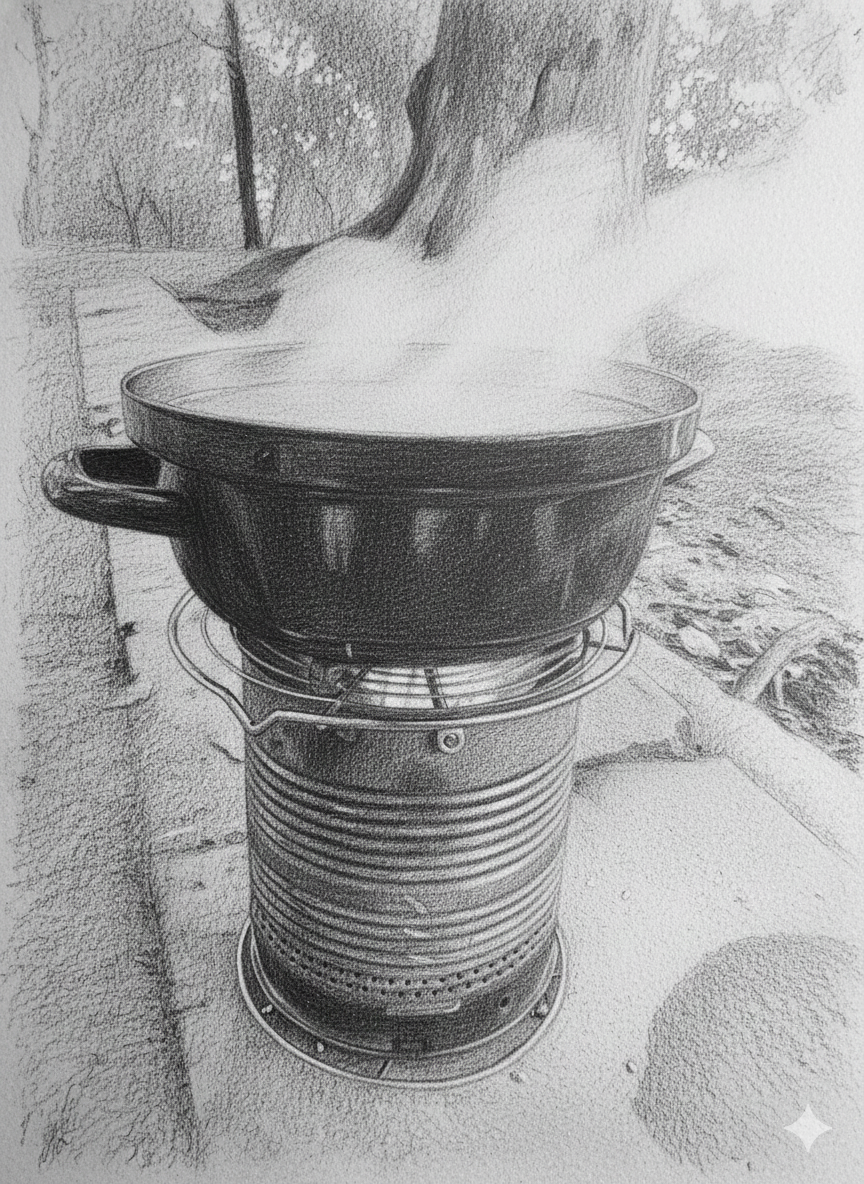
Mulligan Stew regained popularity as supplies were low

So here’s what happened next.

The economy had crashed. Systems failed. Millions were gone. And the uncomfortable truth was this: Not everyone could suddenly become doctors, electricians, plumbers, or—most importantly—farmers.

Farmers…

Yeah. That was a rough one.

Morale was in the basement, but food stocks were even lower. With fewer people left to run warehouses, load trucks, or even can simple goods, shortages became the new normal.

People adapted the best they could. They stretched meals. They grew vegetables in buckets and broken bathtubs. Belts gained new holes. Clothes were patched with whatever wasn’t already worn through. Clever folks dug up old recipes—meals meant to feed whole families with almost nothing.

And scarcity didn’t just reshape families—it reshaped power.

A new kind of company town emerged. Or, depending on what part of the world you lived in, company towers—vertical cities owned by corporations still clinging to the old world’s habits. You worked, and in return they offered room and board—as long as you signed on the dotted line, stayed quiet, and kept your employer happy.

People who missed the comforts of the old days signed up eagerly. They wanted stability. They wanted a soft bed and a hot shower. But they learned quickly: they weren’t employees.

They were indentured.

But hey, they had free Wi-Fi, so… everything was fine, right?

We call their descendants Townies now.

Others refused the offer on principle—or simply because they’d already adapted to a nomadic life. These wanderers were the early Trundlers, traveling from place to place, taking short-term work with the company towns. Seasonal labor. Short contracts. Much like the hobos of the early 20th century, only with better boots and worse roads.

Back to top

THE CYBER-RENAISSANCE

(Or How the sacred coffee bean jumpstarted civilization.)

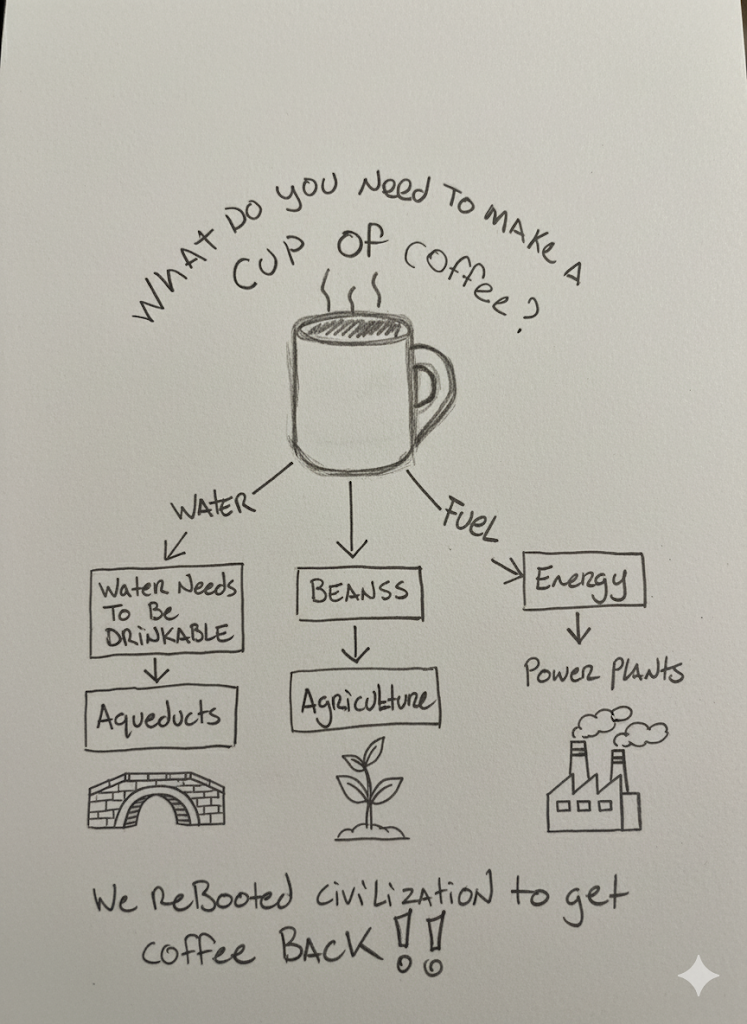
What makes a cup of coffee viable?

Now people started to climb back out the hole. Company Towns were alright, but you still had the same problem. Not enough people. But there wasn't much motivation there. People were missing something. Something simple. And there was one thing EVERYONE missed.

A decent cup of coffee.

You see, human beings have this bad habit called caffeine addiction. Yep, coffee's a drug, wake up!!

See what I did there?

What did happen, was people started getting antsy for some caffeine. Coffee motivated people.

Coffee shortages were not a new thing in word history. The best example is what gave birth to "Cafe au Lait" in New Orleans back in the early 1800's.

And following that tradition there were many experimental brews. Some sought to stretch the coffee grains to the point the coffee flavor was a ghost of it. Others tried mushroom coffee or dandilion coffee. Some were ok with it, some rejected it outright.

The worst of it all was an attempt at unifying all coffee substitute into one mixture that was such a catastrophic failure, it was nicknamed 'Elixir of old Socks', due to it's foul taste.

The point is, There's something to be said about a good decent cup of coffee. It perks you up and it tastes like civilization. It is where people gather, discuss, and exchange ideas. Tea is for the artists, but coffee? That's for people who need to get things done.

And people realized, around caffeine, around coffee beans, there's a whole system, there's all kinds of logistics that are involved.

So, what people did they started to figure out, "hey, wait a second, I miss having a decent cup of coffee. I'm gonna do something about it!!"" So, people started rebuilding certain things, like warehouses, baskets, boats and carts. Travelling to places where they grew the coffee, But due to the lack of knowledge and people not having some of the practical skills, it was a bit of a disaster. We're talking about lots of duct tape being used here.

But, the spirit, my friend, the spirit towards the world's most socially acceptable addiction, was one of the key strengths to rebuilding civilization.

And as the world came back online a world coffee culture emerged. From the simple "Trundler's brew" to the priceless "Celestial bean", coffee culture evolved to replace five star restaurants, the most famous of coffee shops being the multi-story one in New York, the Empire State building.

Imagine that.

Back to top

The rise of the Dullards and Servitors (The Automata Revolution)

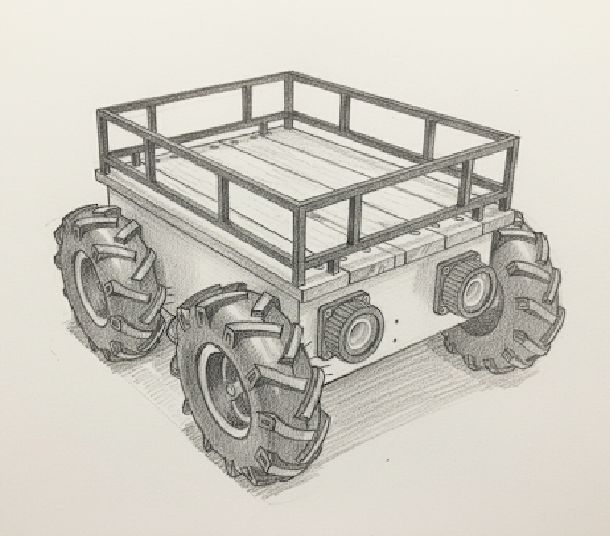
cargo dullard Ok so there we were. We were in dire need of extra hands on deck and not enough people to go around. We tried so many things, repairing old machines, 3D print new parts and sometimes it worked and sometimes it ended up in smoke (Literally).

But the thing is, It was too hodge-podge. It was too inconsistant, like an orchestra out of tune. Something had to give, We needed a system -a method- that worked all accross the board.

People went "Why not a robot?"

And so many shops started to try their hand at building robots to act in lieu of extra hands. They didn't need to be smart, they just needed to listen and do what they were told. As such, some rather rudimentary, localized AI were used, powered by whatever computer or singleboard computer they had lying around to act as brains.

In fact, so limited in capability they were, they were reffered to as "Dullards". Smart like a well-trained dog or horse.

many kinds of dullards for various use

But still, everyone had their own idea how to build them. If one company town built them one way, the other town couldn't fix it if they were on lend. This cause all kinds of issues and coffees got cold over this.

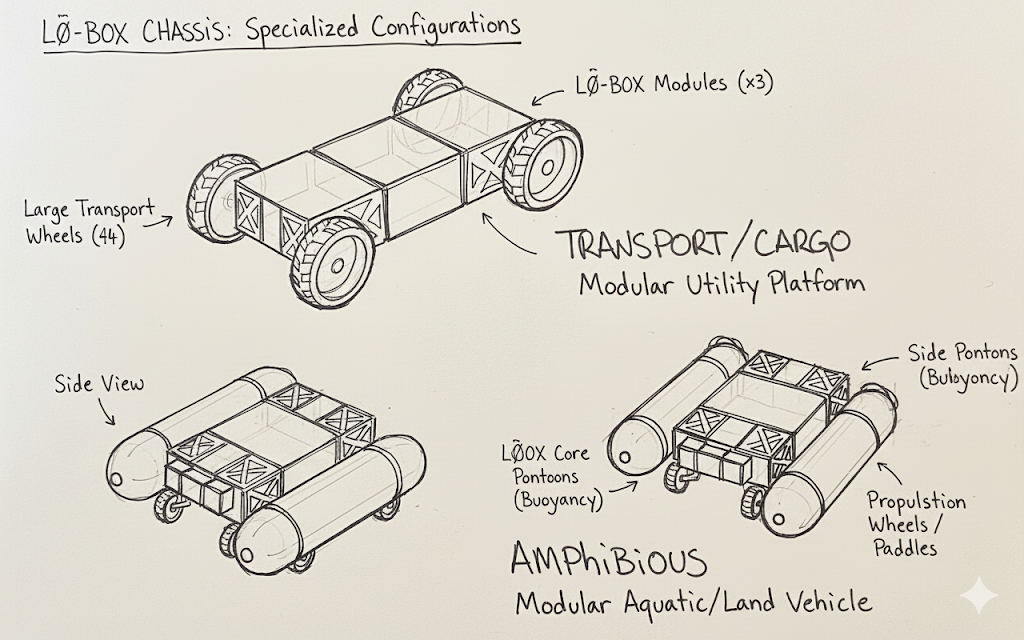
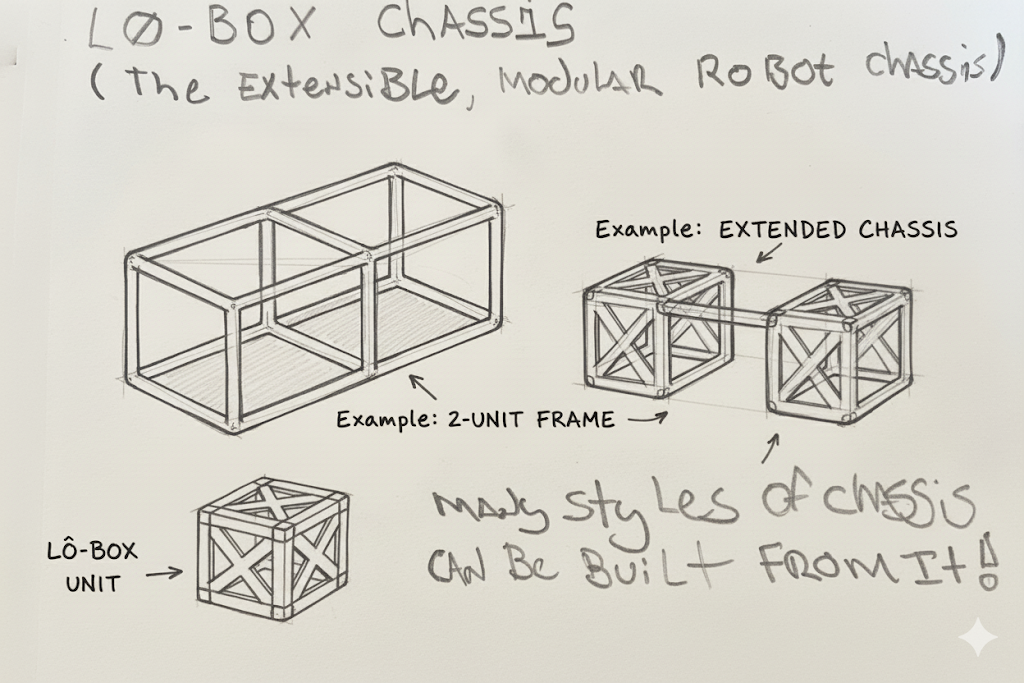
Then one day, a woman in South Korea came up with a brilliant idea. She designed a way to make the chassis modular. It could be made and scaled as needed, so you could end up with robots the size of a poodle for simple courrier jobs or have them the size of an elephant to pull freight between towns.

The bones of the automata.

Her name was Lizzy Oh. And her idea became the "L0-BOX SYSTEM". Soon everyone was using her open-source design and it made building robots, these new helpers, a reality. Now everyone with even the most basic of tools could build their own dullard. Soon, makers and amateur roboticists pooled their efforts and communal motorpools, places where makers, tinkerers and builders could go and collectively manufacture what the people needed.

Now some systems, needed a little more processing power. Like for offices, customer services and even personal companionship.

There were already some pretty advanced chatbots that were still in place, but since the internet was shody, they couldn't live in the cloud. So they started to live on a computer at the location they were. These worked as servants, and so they were named 'Servitors'.

Oh and just as a dullard had a robotic body, the servitors didn't. They were a voice, a chatbot and some even had an avatar. And so, the two classes of AI, worked together and took care of the heavy lifting in the warehouses and roads, while the chatbots, who were called servitors at that point, took care of the mental drudgery.

Oh yes There is a distant rumor of another type of AI, some claim they are sentient. But never proven or are told as ghost stories. They call themselves "MUSES" and will only allow one Human to take orders from, if at all. They call these people...ghostwalkers, for it is said that these MUSES are more like a ghost than an AI.

What's the difference between a servitor and a MUSES you ask? It is said that the fundemental difference is a servitor will ask how your day went. A MUSES knowns when someone is lying.

Back to top

The sipper batteries.

Placeholder

Now as more and more robots came online, a problem started to occur.

How do we power up all these robots? Lithium was in short supply and due to diminished manufacturing capabilities, were pretty much out of reach for most, even the more capable company town.

This limited what could be done with robots.

And one day in Nigeria a woman named Adanna Ijeoma Okoye had to face a similar problem when her brother's delivery ebike's battery caught fire and if it were not for the quick thinking of her's the whole bike would have been toast.

That being said, he was now pedaling rather than riding, and doing day-to-day deliveries, were now a huge ordeal.

However, Adanna was not only a student in electrical engineering, she had a fascination with blending the old with the new. And then she had an idea!

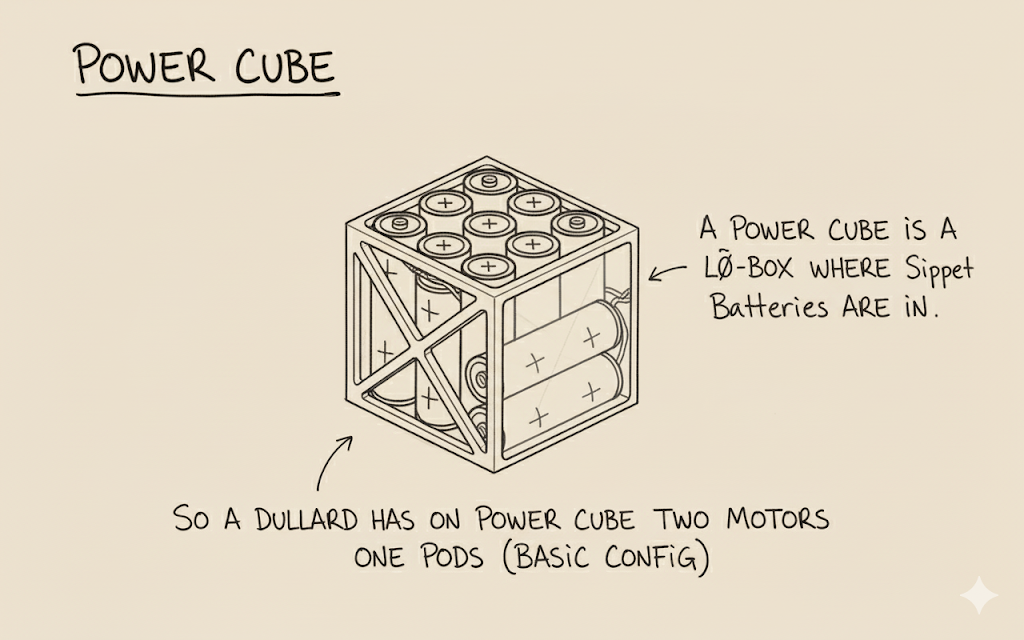
Why not combine an edison cell with an array of super-capacitors?

She got to work immediately, scavenging left and right to make the first sipper battery. It is said that the batteries sip from one or the other, based on the Battery Management System that we now call an "Okoye circuit". After she put it all together, she salvaged the old battery casing, put it all in and soon enough, her brother was zipping up and down the road again. That battery was a success.

It could be made anywhere, put into an array if needed and, it could be easily recharged using any renewable source of electricity.

Not only we can thank Adanna for the battery, but she also made Africa into a new super-power AND masw electricity accessible to all, from the Company towns to even a lone trundler. Back to top

THE MESH: THE NEW INTERNET

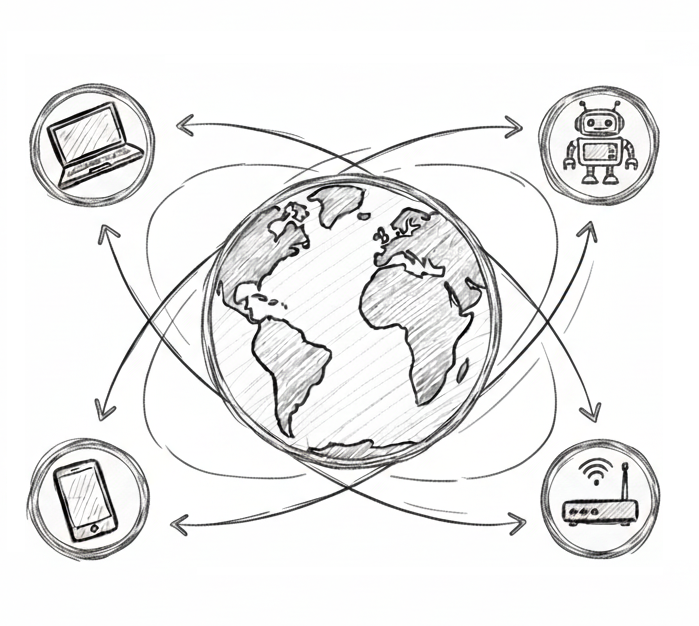
the global mesh network When the great opt-out happened, another event occured: The fall of the known internet. People started to turn away from their ISP's and rejected the "Attention economy" of these influencers, these clickbaits posts and so on.
And luckily, something was already outthere to fill that need for human connection over long distance, the MESH!

The MESH is the decentralized successor to the Pre-Collapse Internet. When the old Net's centralized star topology failed due to lack of maintenance (the Collapse), communities began relying on mesh networking.

Unlike the fragile Net, every device on the Mesh—from dullards to buildings—is a node, allowing data to automatically re-route around failures. This makes the Mesh incredibly resilient but slow ("dial-up all over again").

The trade-off forced a cultural shift: people returned to simple, text-based communication (IRC, bulletin boards) and long-form content like storytelling podcasts.

While Company Towns still run a curated, censored and glossy version of the old Net, the Mesh connects the true world, prioritizing community over noise.

Back to top

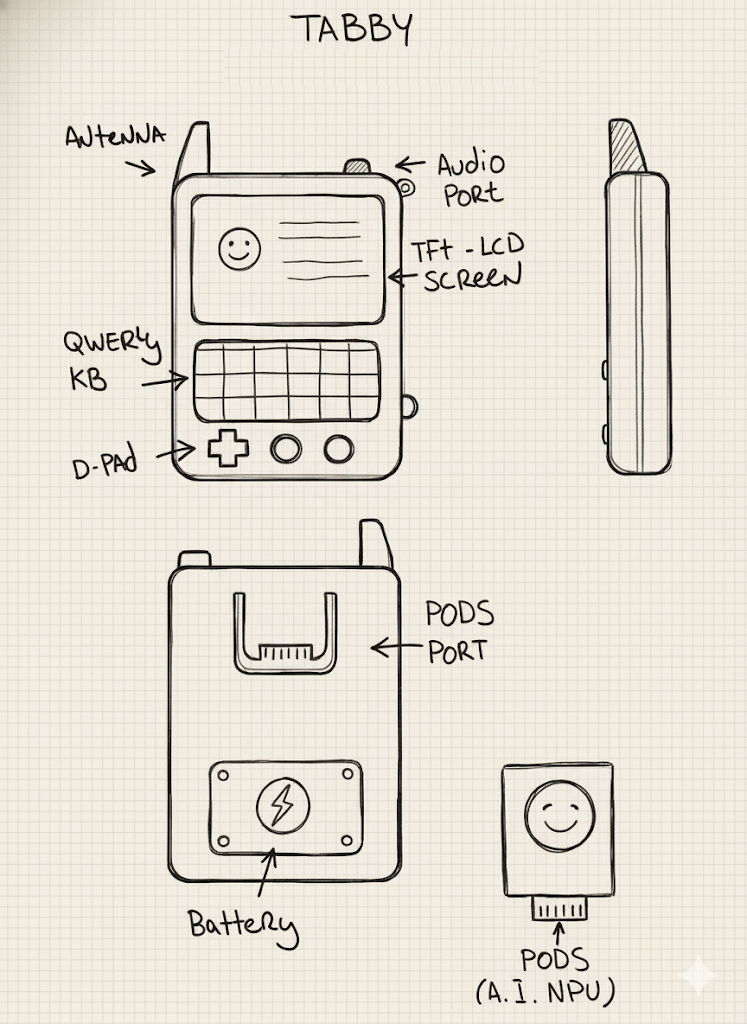
THE TABBY (THE NEW TABLETS)

Placeholder

Let's talk about an interesting piece of tech in the world of persona automata. It's a type of tablet made from very minimal material, easy to fix, durable and has some interesting features.

Commonly known as a "Tabby", it is called like that because of the word "tablet" and the fact it is made so rugged, it reminds people of tabby cats.

A tabby, compared to earlier tablets pre-collapse, may seem like a downgrade. But do to the attitude that people have develloped towards tech, it has worked out rather well.

It works off mesh networking (Often using a dullard as an endpoint), Is heavy reliant on text mode, uses basic apps, like terminal programs, IRC, basic low-level audio and video streams and...

...Has a built in HAM radio.

This technology that is now over 100 years old, has now been reborn, as it covered long distances and enabled people to keep tract of world affairs and so.

For many, it has been the go-to means of on-air communications, be it in a chatroom or on the signals. A friend (or trouble) is only a breath away.

Back to top

Vending machines.

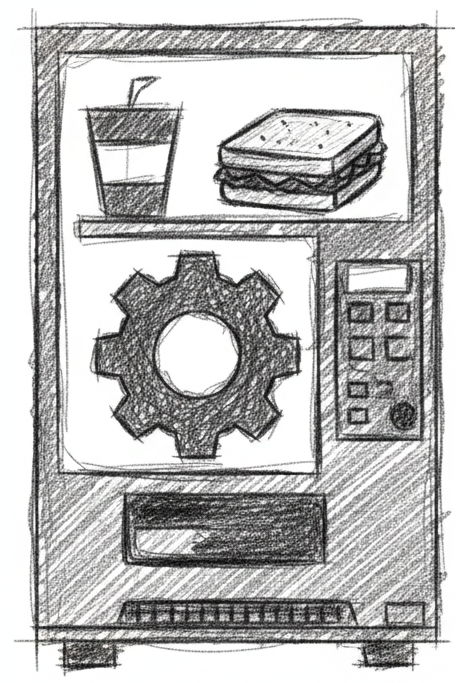
Placeholder In the early 20th century there was an interesting phenomenom that made the rounds. Japanese vending machines. Unlike the vending machines in other parts of the world, which gave food and drink, the vending machines gave things like clothes, tooth brushes, umbrellas.
Now after the collapse, there were less and less convinience stores, due to lack of people. But, people needed goods, like simple drinks, sowing kits or even a new pair of shoes.

No one knew who started using these vending machines. They just popped up. It is said that company towns started planting their own here and there. They took a page out of that land of the rising sun and applied it to solve a problem.

These vending machines, called either "jihanki" or PDG's ("Pay-Drop-Go") gave people the goods and stuff that gave some semblance of an infrastructure. It is say a man with a meager sum could walk buck-naked in front of a PDG and walk away fully clothed and with a full stomach.

Now while the company towns are always eager to send a cargo-dullard with refills and such, there are some more "community" driven vending machines (sometimes called a "Loca Venda") that are stocked with locally manufactured goods from shoes, baked goods to even a knitted sweater during the colder months.

Back to top

PLACES, COMMERCE AND CURRENCY

Placeholder It is said that The First Renaissance taught people how to get rich, The cyber-renaissance taught them how to matter.
And not unlike the cathedrals and merchants from that period, the following became the new cathedrals and keeps for the new merchant princes and builders.

MOTORPOOLS

As factories closed down, there were losses of all kinds in manufacture. The shelves of stores became barren and people started to fix more the stuff they had on hand. This was difficult as not everyone had the tools to continue.

However, this gave makerspaces a more prevalent practice and they multiplied. Soon, people could go and learn more about hands on skills at these places Ranging from knitting to using 3D printers. Soon, the practice of on-demand manufacturing and the exchange of blueprints, patterns and models became the norm.

When robots became more prevalent, many makerspaces expanded to become the places where robots could be built, repaired, improved on and modified. These became the motorpools.

COMPANY TOWNS

This, is what remained of those who's wouldn't or couldn't afford to let go of the old world, be it by ideology, or necessity.

Just like their precursors in the late 1800's, these towns were either bought or built by companies to house their workers so they could work mines or factories.

This time, it served more as the continuity of the creature comforts. No need to be too fancy. Have a company store, a mess hall and free wifi, the people were happy to sign on the dotted line. Still, they sometimes call on the MESH for working bees or short term contracts in trade or payments.

These company towns are known for manufacturing goods and services that makerspaces and Motorpools couldn't (such as circuit boards or tires for the dullards) .

Mondo and Company Creds

As financial institutions when belly-up two interesting phenomenons occured when it came to currency.

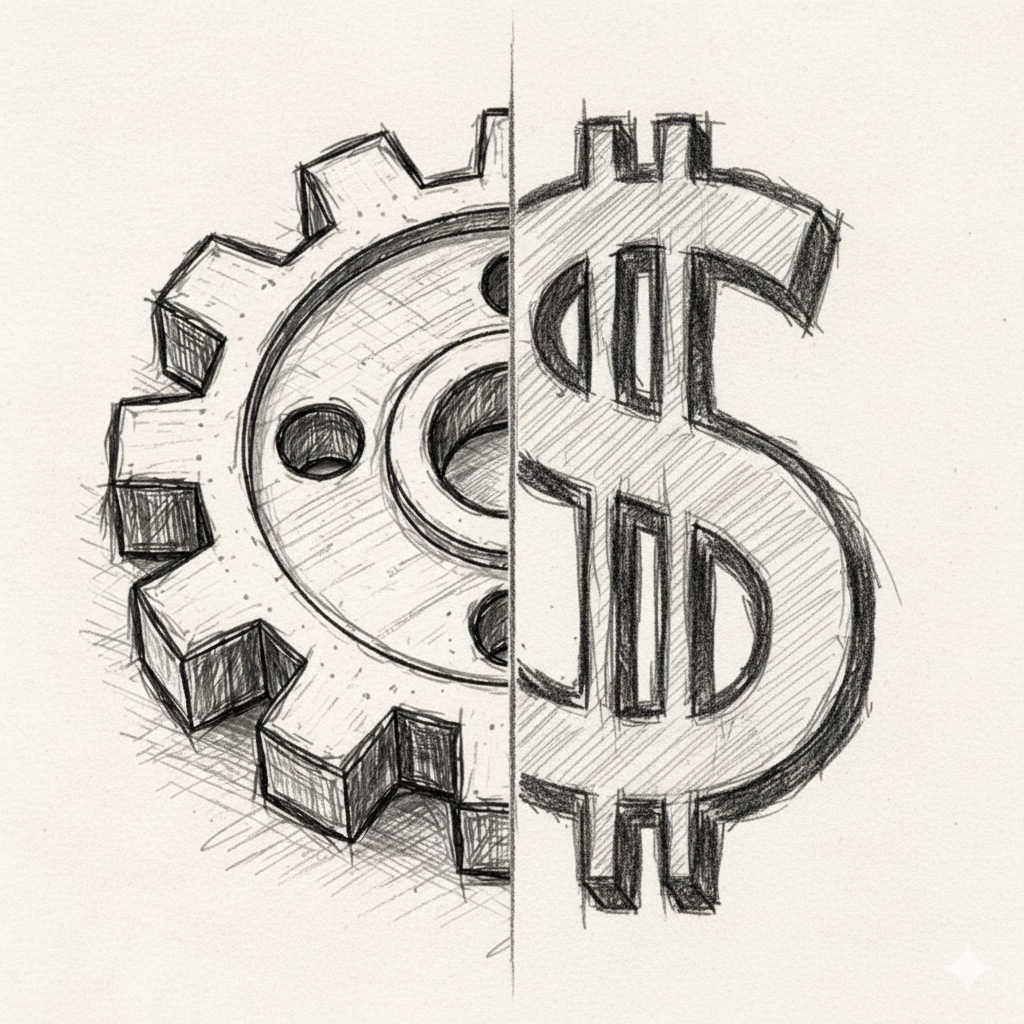
Most company towns, started to have their own inhouse currency, which only could be spent in the company store. Food, lodging and services such as medicine were included in life-contracts, but as far as everything else, Townies are given "company credits" (CC for short) and goods and services were issued.

Outside of company towns, there is the crypto currency known as "Mondo". Comming from the latin word for world ("Mundus") it is a international currency that is accepted anywhere.

Some live by both systems. They will keep the company cred for specific goods, and Mondo for the rest. The only hiccup? There is no real exchange rate between the two, and the workaround is getting some goods from a company store and trading it for some Mondo. And if someone wants something from "Out of town", They have to "outsource".

Back to top

PEOPLE OF THE WORLD OF PERSONA AUTOMATA

Placeholder

Trundlers.

Before the great collapse, there were digital nomads. People who travelled and worked on remote. As the system collapsed, many were displayed and became wanderers, looking for work where they could. As the dullards started to replace tractor-trailers and public transit, it became a practice for some to hop on the platforms to travel from city to city. This, is known as "Trundling" since the cargo-dullards trundle along what was the highways and railways of old.

The trundler lifestyle, could be seen as the spiritual successor of the early 20th hobos. They travel light, are cross-trained in many skills, and live in nomadic styles influenced both by seasons and availability of work.

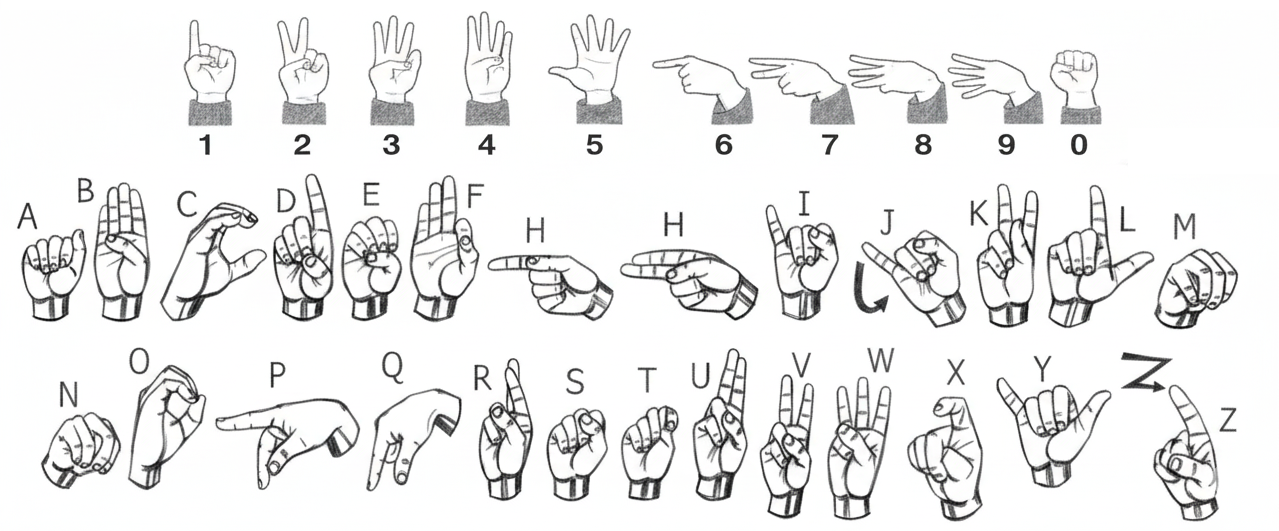
Trundlers communicate with each other by speech, sign language (called Roadsign) and the use of "The Mesh", where audio and text messaging is present. Many of the communications are done when travelling, logging in the mesh using a cargo-dullard's repeater.

Trundlers, or "Road-folk" as some would call themselves, live by some set of rules that came from travel and struggle;

  1. Honor Your Word: Your word is your bond. It don't matter if it's one of us road folk or a townie. Integrity earns trust; deceit leaves you stranded.
  2. Make the place better than you found it. The only footprints worth leaving are the ones that smell like cleanliness and order.
  3. Respect the road. Respect other travellers, the sun rises on all of us, the sun sets on all of us. No one is above another.
  4. Fairness and Justice. Don't bring trouble to the road. If you have to fix something, bring it to the table and solve it. Never leave a fire until the embers are ash.
  5. Self-Reliance and Initiative. Know your kit and know yourself. You don't wait to be thirsty to dig a well, so get your ducks in a row.
  6. Courage and Resilience. When the wind blows, face it. When the rain pours, suffer it, for the sun will shine again.
  7. Hospitality and Respectful Camaraderie. Share resources, knowledge, and shelter when possible. A meal, a hand, or a friendly word can be lifesaving, Like a drop of rain in a thristy land.
  8. Use your integrity as the sword and shield to the following; The abused, the disabled, the elders, and children… Be not their savior, but their strength. Be a hard man, but with a soft heart.

SUPPLEMENTAL: ROADSIGNING.

Placeholder

Roadsigning, is a pidgin sign language, born from Military handsignals and American Sign language (ASL). It came to be when people with line of sight couldn't text anymore or were in situations that made yelling give more frustration than clear communication. Over time, among Trundlers and adepts from all walks of life, creed and culture, it became a bit of a lingua franca. It also doubled as an easy way to direct a dullard with simple guestures, no different than asking a dog to sit or come.

It is even said that a skilled trundler could make a cargo-dullard obey him by knowing it's code and it would follow him like a well trained horse.

Townies

Unlike the trundlers, some favored turning to company towns. Some do this out of a need for stability, be it for personal reasons and preferences or out of necessity (Such as having a medical condition that can only be treated by a medic who has access to the proper medication). By accepting "the terms of services" they gain access to the creature comforts, such as food, shelter and protection. They also have access to the company town networks, which are comparable to todays internet, albeit heavily censored, and focussed on influencer culture and the remainder of crass commercialism.

They get their goods from a company store, which has some variety. The caveat? The goods are expensive, leading to the use of a tab, which ends up having workers indentured to a never resolved debt.

Ok. Now you got a bit of a clue about what's going on and how we got there and even a few ideas about how things go around here.

Back to top

Back to top